

Maple Dental Logo
717-745-2700
Maple Dental Logo
02 October 2026

What Does Sports Dentistry Include in Harrisburg, PA?

Quick Answer: Sports dentistry includes custom-fitted mouthguards to prevent injuries, treatment when a tooth or mouth injury happens, and advice for athletes and parents on keeping teeth safe. It applies to kids, teens, and adults, in organized sports and casual play. Maple Dental in Harrisburg, PA can fit a mouthguard and care for injuries if they occur.

Most people think of sports injuries as sprains and bruises, but teeth take hits too. Sports dentistry exists to reduce those risks and to handle the problem quickly when something goes wrong.

What Sports Dentistry Covers

Sports dentistry covers three jobs: protecting teeth before the game, treating injuries after a hit, and keeping an athlete’s mouth healthy between seasons. That mix of prevention, urgent care, and regular checkups is what separates it from a one-time mouthguard purchase.

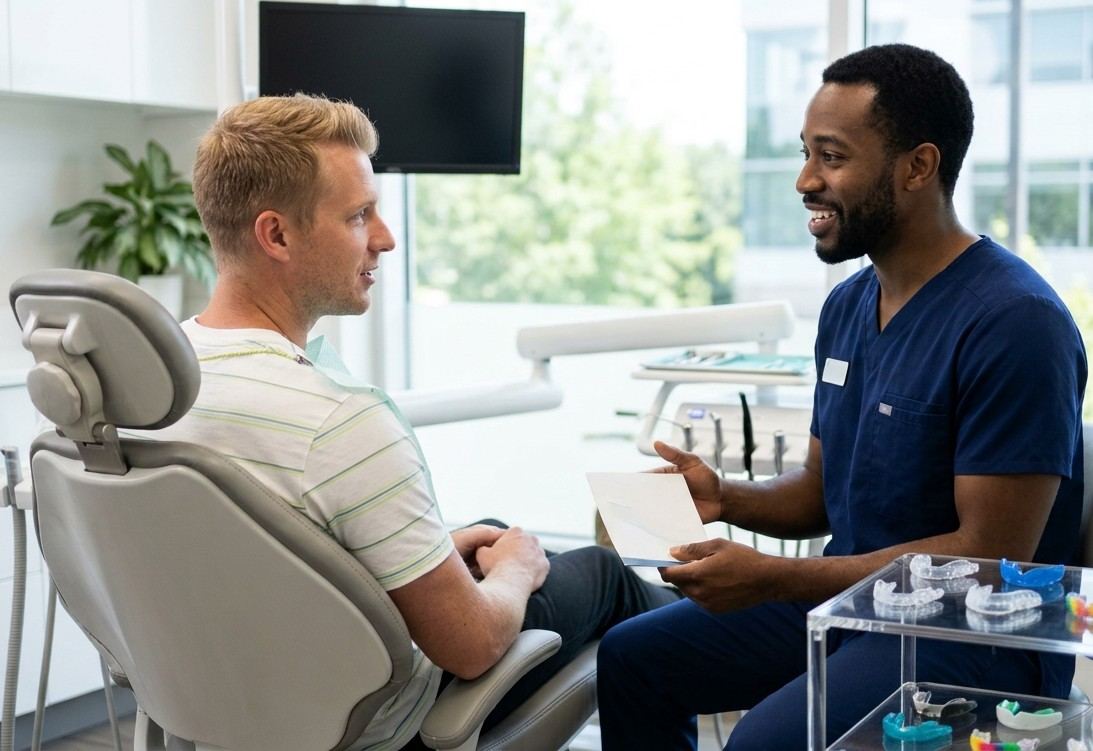
Custom Mouthguards

According to the American Dental Association’s MouthHealthy site, mouthguards help cushion a blow to the face, minimizing the risk of broken teeth and injuries to the lips, tongue, face, or jaw. A custom guard is shaped to your teeth from an impression, so it fits closely, stays put, and lets you breathe and talk.

A mouthguard that rattles, slides, or makes breathing harder tends to end up in the gym bag instead of the mouth. A good fit solves that, which is why many athletes choose custom.

Why Custom Beats Store-Bought

The ADA says the best mouthguard is one made for your mouth by your dentist. It also notes that stock and boil-and-bite guards from a store are still better than nothing if cost is a concern. Here is how they compare:

  • Stock: Pre-formed and inexpensive, but they don’t conform to your teeth.
  • Boil-and-bite: Softened in hot water and shaped by biting, which often fits better than stock.
  • Custom: Made from an impression of your own teeth for the closest fit.

Teens and children may need new guards more often because their mouths are still growing, according to the ADA.
What Does Sports Dentistry Include in Harrisburg, PA?

Treatment for Sports-Related Dental Injuries

Even with protection, accidents happen. Care for sports injuries can include:

  • Treating chipped or cracked teeth, sometimes with a filling or crown
  • Caring for a knocked-out tooth, including repair or reattachment where possible
  • Treating a damaged tooth that needs a root canal
  • Managing lip, cheek, or tongue injuries
  • Easing swelling and pain

Any serious blow to the head or face should be checked by a medical professional first.

What to Do If a Tooth Gets Knocked Out

Speed matters with a knocked-out adult tooth. In general:

  • Pick the tooth up by the crown, not the root.
  • Rinse it gently if it’s dirty, without scrubbing.
  • If possible, place it back in the socket, or keep it moist in milk.
  • Get to a dentist right away. Emergency dentistry can guide you.
  • Call the office for instructions on the way.

Who Benefits From Sports Dentistry

Almost anyone who plays can benefit:

  • Children and teens in school and club sports
  • Adults in recreational leagues
  • Athletes in football, hockey, basketball, and similar contact sports
  • Anyone in biking, skateboarding, or other activities where a fall could hit the face

Parents often start with children’s dentistry, then add a mouthguard as their kids get into sports.

Caring for a Mouthguard

A few habits keep a guard working:

  • Rinse it before and after use
  • Store it in a firm, ventilated case
  • Keep it away from heat, which can warp it
  • Replace it when it’s worn, torn, or no longer fits
  • Bring it to checkups so your dentist can look at it

Regular Care Still Matters

Healthy teeth hold up better to impact. Checkups catch cavities and weak spots that could turn into bigger problems after a hit. Keeping up with cleanings and exams is part of staying game-ready.

Questions to Ask Your Dentist

If you’ve been searching “sports dentist near me”, here are good questions to bring:

  • What type of mouthguard do you recommend for my sport and age?
  • How often should it be replaced?
  • What should we do if a tooth is chipped or knocked out?
  • Can you check my child’s guard at checkups?
  • What will it cost, and what might insurance cover?

How Maple Dental Approaches Sports Dentistry

At Maple Dental, sports dentistry is about prevention and quick help. As a dentist in Harrisburg, PA offering sports dentistry for children, teens, and adults, the team fits custom athletic mouthguards and treats injuries when they happen.

Patients who feel anxious can ask about painless treatment approaches. We also work with most major insurance plans and offer financing options, so cost is clear before you start.

Get Ready for the Season

Don’t wait for an injury to start the conversation. Schedule a consultation or call us at 717-745-2700, and we’ll talk through protection for you or your athlete. We welcome patients from Harrisburg, Colonial Park, Progress, and Lawnton.

Frequently Asked Questions

1. What does a sports dentist do?
They help prevent mouth injuries by fitting custom mouthguards and giving advice on protecting teeth during play. They also treat injuries such as chipped, cracked, or knocked-out teeth when they happen.
2. Do I need a mouthguard if I play a non-contact sport?
It can still be worth it. Falls, stray elbows, and collisions with equipment or the ground happen in many activities, including ones people don’t think of as risky. Your dentist can look at your sport, your age, and your bite, and tell you whether a guard makes sense.
3. How often should a mouthguard be replaced?
A mouthguard should be replaced when it is worn, torn, or no longer fits snugly. Bringing your guard to regular checkups lets your dentist check its condition and tell you when it is time for a new one.
4. What if my child chips a tooth during a game?
Have a dentist look at the tooth as soon as you reasonably can, even if the chip seems small or doesn’t hurt. Some chips are simple to smooth or repair, while others may reach deeper into the tooth and need more treatment.
5. Does insurance cover custom mouthguards?
Coverage depends on your plan, and some plans treat mouthguards differently from other dental services. The best step is to check your benefits or ask the office before treatment begins. Our team can help review what your plan may include, so you know what to expect.